Hiking Mom: A Designer's Review for Real Embroidery Projects
As someone who spends hours digitizing, stitching, and critiquing machine embroidery design files, I approach every new download with a mix of excitement and skepticism. When I first opened the Hiking Mom file, my immediate thought wasn't just about the cute theme, but how it would translate from a screen to actual thread. This isn't just a digital graphic; it is a potential centerpiece for a handmade product that needs to withstand washing, wearing, and the scrutiny of a paying customer. The design carries a warm, adventurous mood that perfectly captures the spirit of outdoor-loving parents, but the real test lies in its execution on fabric.
First Impressions and Visual Personality
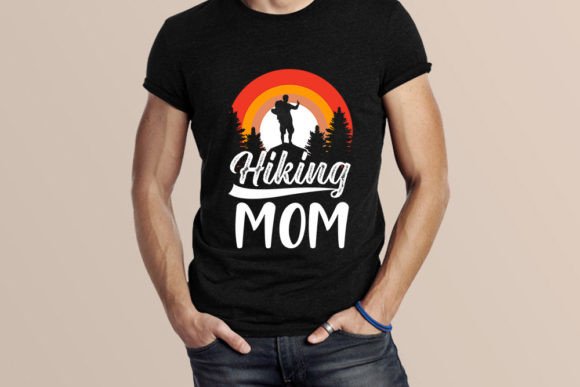
The layout of Hiking Mom feels balanced and intentional. It avoids the cluttered look that plagues many mass-market files. The shapes are distinct, suggesting a clean transition between different stitch types. In a professional setting, clarity is king. If a design looks muddy on a monitor, it will look disastrous once stitched out. This particular graphic offers strong visual personality without relying on excessive detail that might get lost in translation. It feels modern yet timeless, making it suitable for more than just a fleeting trend. For an Etsy seller or boutique owner, this kind of versatility is gold. It allows you to market the same design across different seasons, from spring hiking trips to holiday gifts for the outdoorsy matriarch.
Putting It to the Test: The Tote Bag Scenario
To truly evaluate this embroidery project, I imagined a specific real-life scenario: creating a custom canvas tote bag for a local hiking group leader. Canvas is a fantastic medium because it provides a stable base, similar to using a heavy stabilizer on lighter fabrics. As I visualized the Hiking Mom design sitting on the front of a natural-colored tote, the contrast possibilities became clear. The design's structure suggests it would handle a variety of thread colors well. You could go earthy with greens and browns or vibrant with teals and oranges depending on the brand identity of the small shop product you are creating.
In this context, the design shines as a statement piece. It is large enough to be readable from a distance but detailed enough to show craftsmanship up close. For a personalized gift, adding a name underneath in a complementary font could elevate the perceived value significantly. However, one must be cautious about crowding the design. The strength of Hiking Mom lies in its standalone presence. Over-embellishing it might detract from its clean lines.
Performance Across Different Fabrics and Applications
While the tote bag idea is solid, a professional designer must consider where else this file fits. How does it perform on stretchy knits versus rigid wovens? For sweatshirt embroidery, the design appears robust enough to handle the texture of fleece or French terry, provided the digitizing accounts for fabric pull. If the original file is primarily a vector graphic intended for printing, converting it into a stitch file requires careful attention to stitch density. Too dense, and the fabric will pucker; too sparse, and the backing will show through.
For baby embroidery, such as on a onesie or a soft blanket, the scale becomes critical. If the design includes fine details or tiny lettering, these elements might need simplification to prevent thread breaks or bird-nesting on small hoops. On the other hand, for an embroidered patch, this design could be exceptional. Patches allow for higher density and satin borders that make the artwork pop. Using Hiking Mom as a patch applied to a jacket or backpack adds a layer of durability and a professional finish that direct stitching sometimes cannot achieve on technical outerwear.
When considering custom apparel like t-shirts, the distinction between a print-ready graphic and an embroidery file is vital. The product description mentions SVG, PNG, DXF, and EPS files. These are excellent for T-Shirt Designs meant for heat transfer or direct-to-garment printing. However, if you intend to stitch this, you must ensure you have the correct embroidery file format (like PES, DST, or XXX) compatible with your machine. Do not attempt to auto-digitize a complex PNG for commercial use without testing; the results are rarely consistent enough for a craft business.
Navigating Technical Challenges
Every design has its tricky spots. With Hiking Mom, I would pay close attention to any curved surfaces, such as caps or hats. Embroidering on a curved plane distorts the image slightly. If the design relies heavily on perfect symmetry, a cap application might require manual adjustments in the digitizing software. Similarly, dark fabrics present a challenge. If the design uses light thread colors, you may need an underlay stitch or a white backing to prevent the fabric color from muting the vibrancy of the top threads.
Textured fabrics are another area for caution. If you are stitching on a waffle knit or a highly textured towel, small details can get swallowed by the fabric pile. In these cases, increasing the size of the design or choosing a simpler variation is often necessary. Always test on scrap fabric first. This golden rule saves money and reputation. Check how the design behaves after a wash cycle. Does it pucker? Do the threads fray? These are the questions that determine whether a finished product ends up with a five-star review or a return request.
Enhancing Brand Value and Customer Trust
Ultimately, the choice of design reflects on your brand. Using a high-quality, well-thought-out graphic like Hiking Mom signals professionalism. It shows that you care about the aesthetics of the commercial embroidery items you sell. Customers can tell the difference between a sloppy, pixelated mess and a crisp, well-executed design. This attention to detail builds trust. When a buyer sees a clean, attractive design on a holiday embroidery gift or a nursery decor item, they associate that quality with your entire shop.
For those creating printable mockup assets or digital previews, this design offers great flexibility. Its clear shapes make it easy to visualize on different product backgrounds, helping you create compelling listings for your online store. Whether you are selling the physical stitched item or the digital asset itself, the visual appeal drives engagement. A strong design stops the scroll. It invites the viewer to imagine the product in their own life, which is the first step toward a sale.
Final Verdict and Practical Notes
Before committing to a full production run of Hiking Mom items, there are a few final checks to perform. Verify the licensing terms explicitly. Just because a file is available for download does not automatically grant commercial rights for unlimited sales. Ensure you are compliant with the creator's rules regarding design assets. Confirm the maximum hoop size required; if it exceeds your machine's capacity, you will need to split the design, which can lead to alignment issues.
Review the stitch types suggested by the file structure. Are there areas that call for a satin stitch for shine and definition, or a fill stitch for coverage? Understanding the intended texture helps in selecting the right thread weight. Also, consider the end-user. Will this item be washed frequently? If so, reinforce the edges and ensure the stabilizer is cut away cleanly to prevent itchiness against the skin.
In conclusion, Hiking Mom represents a solid opportunity for creators looking to expand their catalog of outdoor-themed goods. It balances charm with practicality, offering a versatile foundation for various Graphics applications. By approaching it with a critical eye and testing it rigorously, you can transform a simple digital file into a cherished personalized product that resonates with customers and stands the test of time. Remember, the best designs are not just seen; they are experienced through the quality of the stitch and the durability of the make.